
Explore Level 1
The first ten lessons, step by step
Introduce students to the wonderful world of making music on the piano. Each step is taken gently, so that learning is always joyful and students want to learn more.
What each lesson covers
Every new idea is put into practice straight away, with songs, chants and pieces to play.
- 1
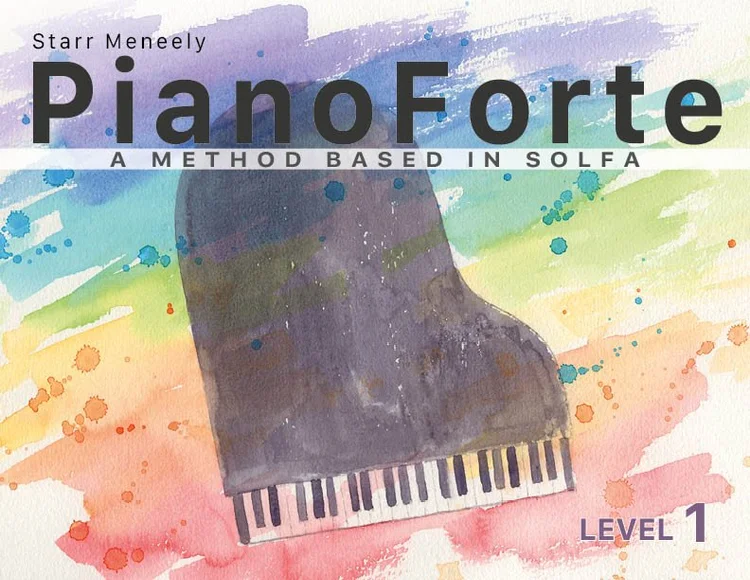
Lesson One
The concepts introduced in the first lesson are fundamental yet simple. None of the information is superfluous: every new idea is immediately put into practice and lays the groundwork for all the lessons to come.
- 2
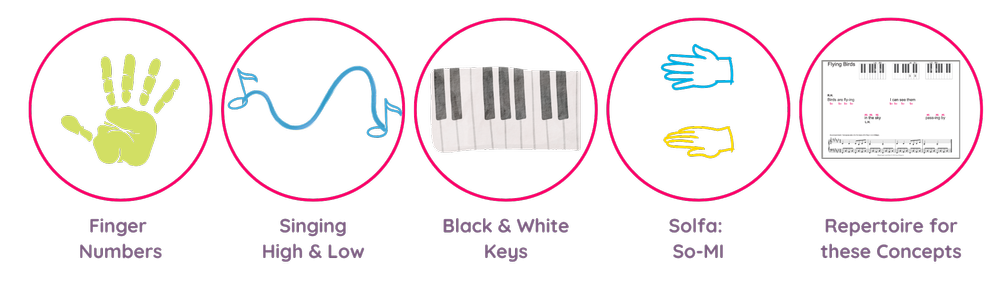
Lesson Two
Teaching rhythm uses a whole-body approach and engages the student in physical movement. To support this, each concept is accompanied by musical exercises, chants and songs which can be used with drums, marching or dancing.
- 3
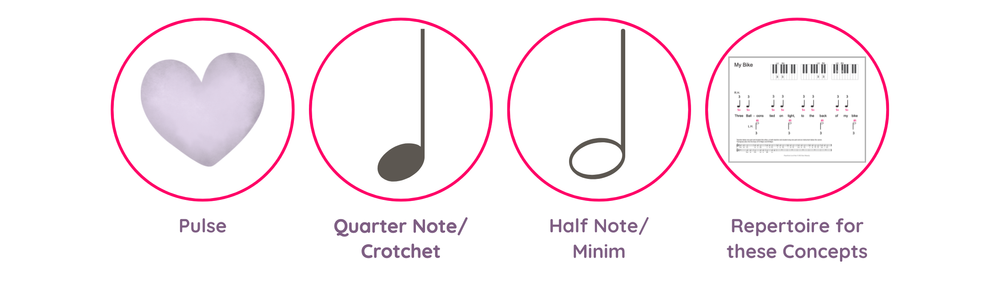
Lesson Three
In this lesson only two new concepts are introduced. Time is taken at this point to strengthen the skills and knowledge covered so far. A new physical technique is also introduced: the use of finger 4.
- 4
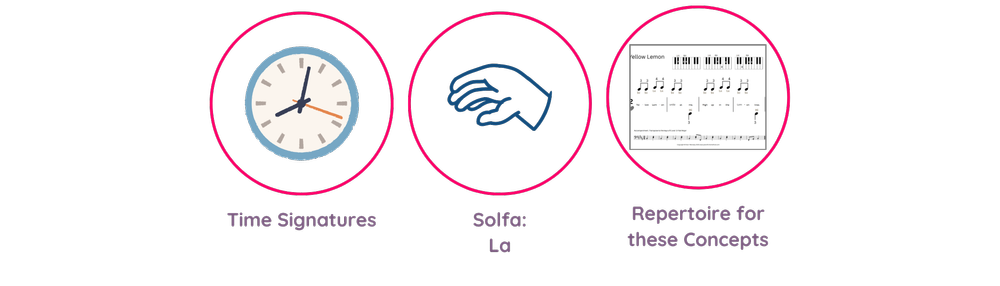
Lesson Four
The concepts introduced in this lesson gently build on what has come before. The student will find these new ideas fun, with lots of singing, chanting and experimentation with sound.
- 5
Lesson Five
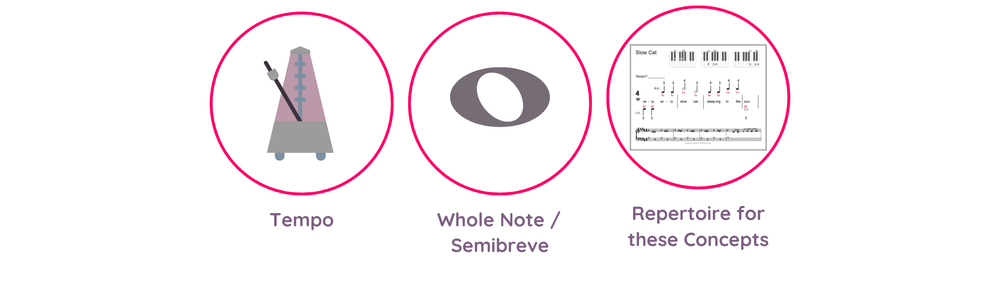
This lesson introduces one new concept: the 8th note (quaver). The supporting repertoire includes elements that have already been introduced, giving students lots of extra musical practice.

- 6
Lesson Six
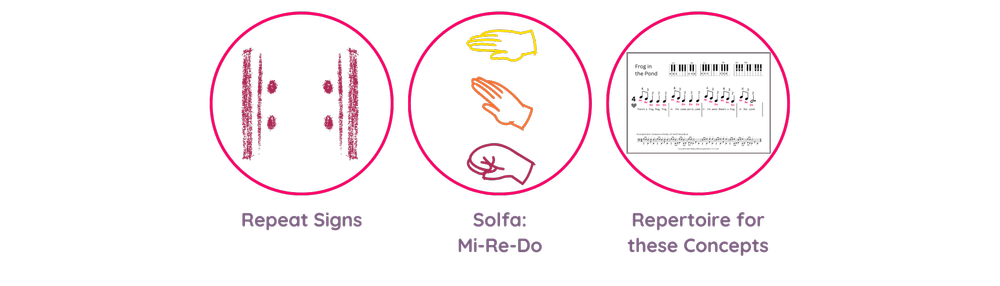
This lesson introduces the solfa tones Mi, Re, Do and the repeat sign. The repeat sign is useful at this point because it can be added to pieces they already know, giving them extra practice.
- 7
Lesson Seven
In this lesson students are presented with new solfa, low La and So. Musical complexity increases from this point onwards, so taking time here is valuable and will support all future learning.

- 8
Lesson Eight
This lesson introduces the dotted half note (dotted minim). This rhythm is presented as a way to understand and experience triple meter, and how the strong pulse can be felt at the start of each bar.

- 9
Lesson Nine
In this lesson students are introduced to one of the first semitones in the diatonic scale. Students have been working with the pentatonic scale, so the semitone Fa will feel like a natural progression.

- 10
Lesson Ten
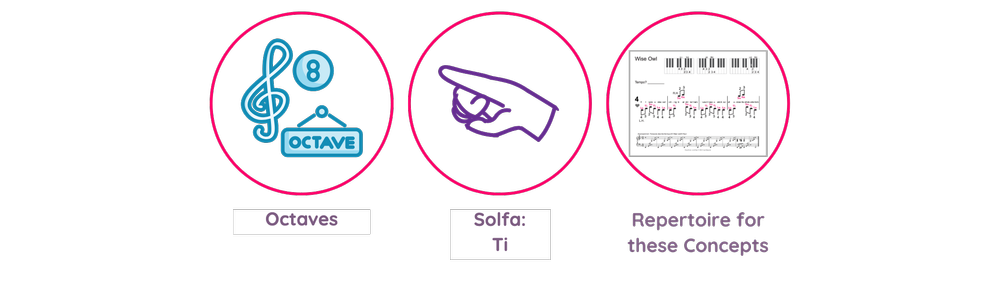
This is the final lesson in Level One. Students are introduced to the second semitone in the diatonic scale (Ti), which allows them to experience minor tonality. Octaves are also introduced as a precursor to the keyboard letter names presented at the start of Level 2.
Ready to go beyond Level 1?
Level One is followed by Levels 2, 3 and 4, plus Major and Minor Scale Study. All of these lessons and materials are available inside the membership.